Solar Panel Maintenance Checklist: Tasks for You vs. Your Electrician
Commercial Electrical, Residential Electrical, Useful articles
Solar panels are a long-term investment that will provide you with clean, renewable energy for many years. Just like anything in this world, it takes maintenance to keep it running efficiently. Although solar panels require very little maintenance, appropriate maintenance is essential to derive maximum efficiency, durability, and longevity from your panels over the long term. Thus, in regard to maintenance, the real question for most homeowners is: What are the maintenance tasks I can do myself, and when should I call a licensed electrician?
In this article, we will provide an overall solar panel maintenance checklist divided by DIY maintenance tasks and maintenance tasks that require a professional person to inspect the panels.
So, let’s get started.
Why Solar Panel Maintenance Matters
Solar panels can become affected by any combination of dust, debris, bird droppings, and the weather, which all can affect the performance as the roof stays messy. While most newer panels come with warranties for 20-25 years, without maintenance, the longevity and energy cost savings of the panels can diminish greatly.
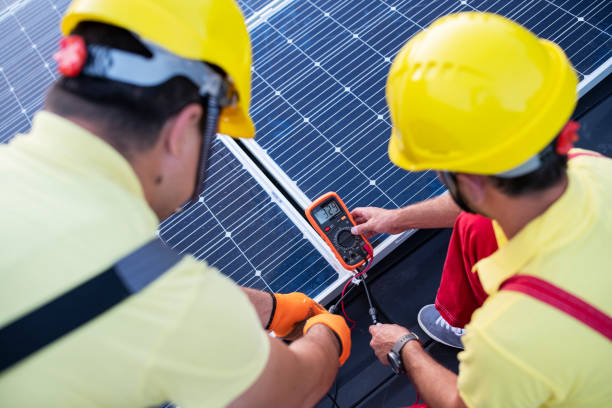
Performing routine maintenance can:
- Maintain high energy output
- Extend panel lifespan
- Prevent small issues from turning into costly repairs
- Keep warranties valid (many require proof of regular checks)
Solar Panel Maintenance: Tasks You Can Do Yourself
As a homeowner, you have many operating routines you can do without special tools or training. These tasks are easy, safe, and necessary for routine maintenance.
1. Visual Inspection
You should walk around your system at least once a month, looking for:
- Dirt or leaves covering your panels. Are there bird droppings?
- Cracks in the glass or visible damage.
- Loose wires or mounting hardware (without touching them).
- Anything that creates shading, like overgrown trees.
Half the battle when it comes to maintenance is catching problems early. These are simple checks you can perform yourself.
2. Panel Cleaning:
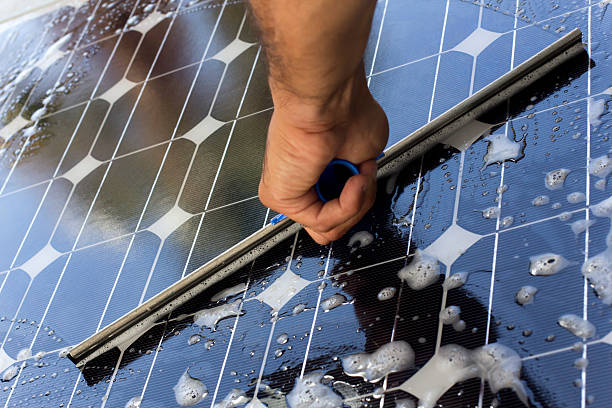
Cleaning your panels means that dirt isn’t blocking the sunlight. You can:
- Clean with a soft brush or sponge with mild soap and water.
- Rinse with a garden hose on a cool morning.
- Never use abrasive material, as this can scratch the panels as opposed to cleaning them. High-pressure washers would similarly cause damage.
If you live in a rainy area, Mother Nature may work for you; she may do regular washing, however, from time to time, you can still expect to wash the panels as needed.
3. Monitoring Energy Production:
Most modern solar systems come with monitoring apps or online dashboards. You should track:
- Any daily or weekly energy production trends.
- Dramatic drops in energy production may create errors in your system.
- If there are differences in panel strings (if applicable).
Sometimes decreases in energy production might signal that overshading, damage, and/or electrical issues are present.
4. Keeping the Area Clean:
Keep trimming trees or bushes that cast shadows. Remove any debris, bird nests, or snow buildup that exposes your panels (and you) to sunlight.
Solar Panel Maintenance: Tasks for Your Electrician
While DIY inspection is important, there are some aspects of solar panel maintenance that only a licensed solar electrician or installer should do, which relate to electrical safety, performance, deep-dive system inspection and maintenance, and repairs.
1) Book an Annual Inspection By The Professionals
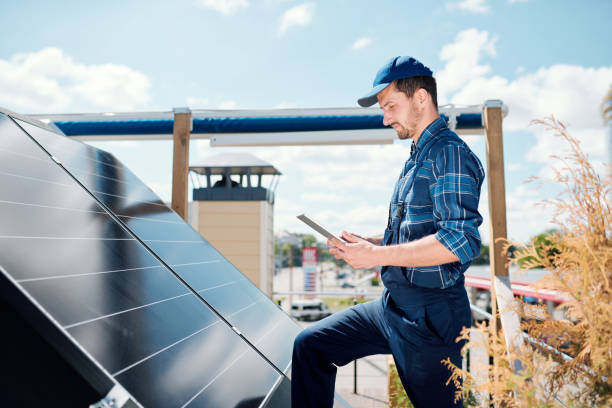
Schedule a professional checkup at least once a year. Electricians will:
- Test all electrical connections, as well as the inverter
- Make sure there are no corroded wires
- Ensure the fixtures are properly grounded and securely mounted
- Detect micro-cracks as well as other hidden deficiencies not caught with the naked eye
2) Inverter and Battery Maintenance
If your solar energy system has a solar inverter or battery storage, that portion will also require professional servicing. Electricians can:
- Review the inverter’s efficiency and error codes
- Replace any malfunctioning parts if required
- Assess any battery performance, and keep batteries balanced
3) Electrical Repairs
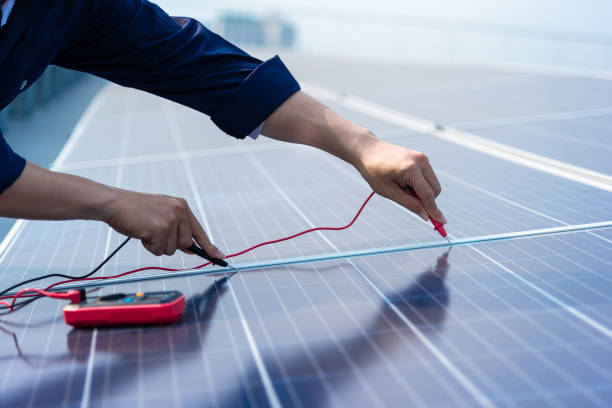
Never attempt to repair any wiring or damaged solar panels. Your electrician must properly handle:
- Replace any broken solar panels
- Repair any wiring faults and corrosion
- Repair any fuses or grounding systems
- Assess any unexpected smells, sparks, or unusual noises from your solar energy system
4) Warranties and Compliance
Many warranties for the solar panels require certified maintenance records. A professional inspection will ensure your solar system conforms to manufacturer guidelines and any local safety requirements.
DIY vs. Professional: Quick Checklist
Here’s a simple breakdown of who should handle what:
You Can Do:
- Visual checks for dirt or damage
- Cleaning panels with mild soap and water
- Monitoring energy output with apps
- Trimming trees and clearing debris
Your Electrician Should Do:
- Annual detailed inspections
- Inverter and battery servicing
- Electrical repairs and replacements
- Ensuring system compliance with warranties and codes
Final Thoughts
Keeping solar panels maintained is not difficult, and by having a combination of regularly performed homeowner duties and pre-arranged inspections performed by a professional, keeping energy dense, reducing breakdown risk, and extending the lifetime of your solar system is possible!
In simple words, your duty is to clean, check that panels are clear, and monitor performance weekly through your inverter, whereas the duty of your electrician is to keep the system safe, compliant, and electrically good. This combination will allow your solar panels to generate reliable, cost-effective energy for years to come.
Most Popular
A+ Circuit Solutions